Understanding OV Methods in SSL Certificates

OV Methods in SSL Certificates – In the world of cybersecurity, SSL (Secure Sockets Layer) certificates play a crucial role in ensuring secure and encrypted connections between web servers and clients, such as browsers. Among the various types of SSL certificates available, Organization Validated (OV) certificates stand out for their rigorous validation processes and enhanced trustworthiness. Let’s delve into what OV certificates are, how they work, and why they are essential for maintaining a secure online environment.
What are OV Certificates?
OV certificates are a type of SSL/TLS certificate that provides validation not only of domain ownership but also of the existence and legitimacy of the organization that owns the domain. When a website owner applies for an OV certificate, a Certificate Authority (CA) conducts a thorough vetting process to verify the following:
- Organization Existence: The CA verifies that the organization is legally registered and operational.
- Domain Ownership: The CA confirms that the organization has the right to use the domain name for which the certificate is requested.
- Physical Location: In some cases, the CA may verify the physical location of the organization.
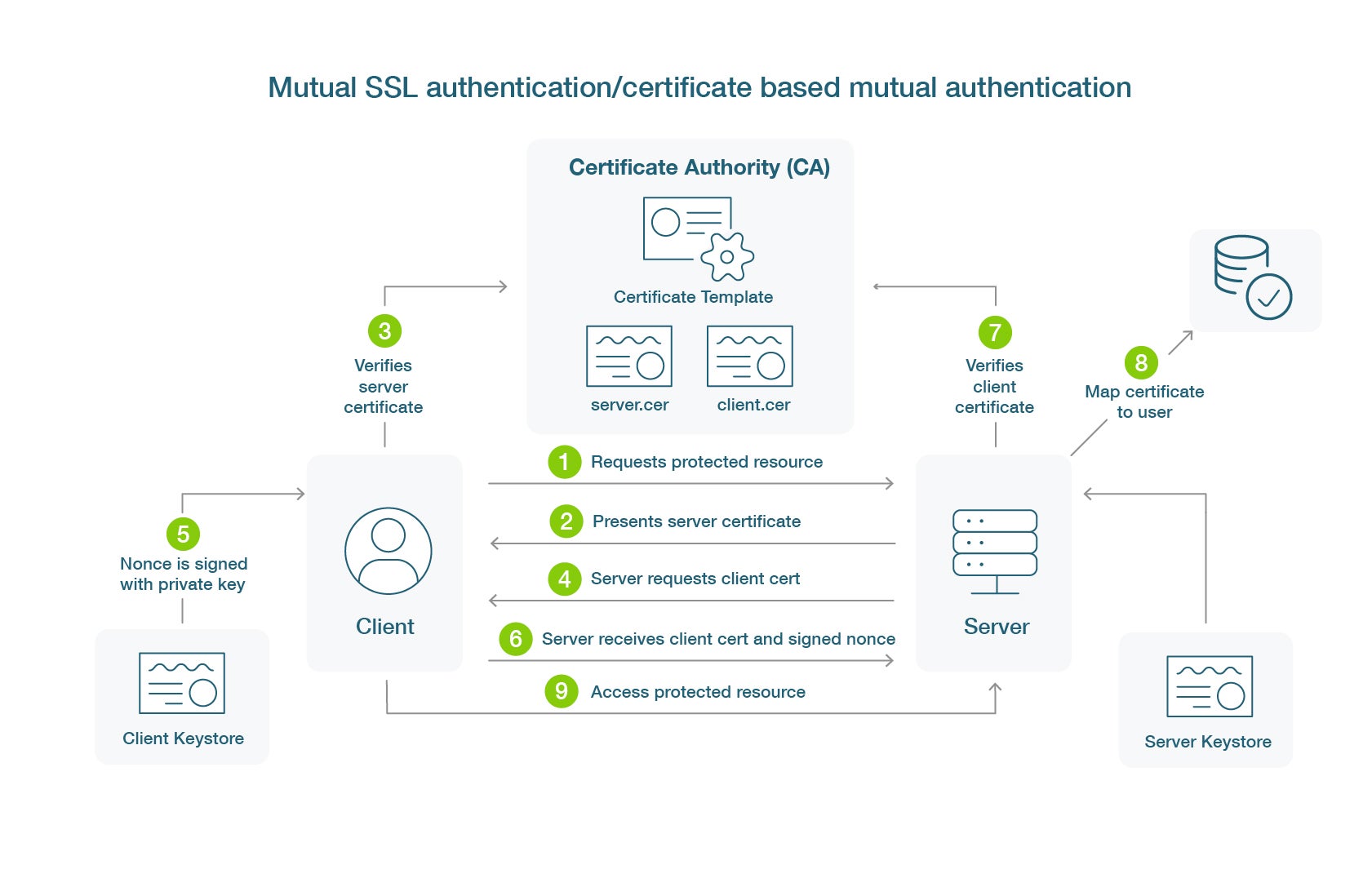
OV Methods in SSL Certificates
How Do OV Certificates Work?
The issuance process of OV certificates involves several steps to ensure the authenticity of the requesting organization. Unlike Domain Validated (DV) certificates, which only validate domain ownership through automated methods like email verification, OV certificates require more substantial verification:
- Documentation Review: The CA may request legal documents, such as business licenses or articles of incorporation, to verify the organization’s identity.
- Telephone Verification: Some CAs conduct phone calls to confirm the organization’s details and the legitimacy of the certificate request.
- Operational Checks: The CA may verify the organization’s physical address to ensure it matches the information provided.
Once the CA completes these checks and confirms the organization’s identity and domain ownership, they issue the OV certificate. This certificate includes verified information about the organization, which users can view by clicking on the padlock icon in their browser’s address bar.
Why Choose OV Certificates?
OV certificates offer several advantages over DV certificates, particularly in scenarios where user trust and organizational credibility are critical:
- Enhanced Trust: OV certificates display verified organizational details, providing users with confidence that they are interacting with a legitimate entity.
- Security: By encrypting data transmitted between the user’s browser and the server, OV certificates ensure that sensitive information remains secure from eavesdroppers and cyber threats.
- Compliance: Many industries and regulatory bodies require OV certificates as part of compliance standards due to their higher level of validation.
OV Methods in SSL Certificates – Conclusion
In summary, OV certificates play a crucial role in establishing trust and security on the internet by validating both domain ownership and organizational identity. They are essential for websites that handle sensitive information, conduct e-commerce transactions, or prioritize user trust and credibility. By choosing OV certificates, organizations demonstrate their commitment to maintaining a secure online environment and ensuring that user data remains protected.
Understanding OV methods in SSL certificates empowers website owners and IT professionals to make informed decisions about their security infrastructure, thereby safeguarding both their organization’s reputation and their users’ sensitive information.
