
What is a Private Nameserver?
A Private Nameserver refers to a nameserver that is associated with a domain name and is specifically used by that domain to resolve DNS queries. Here’s a more detailed explanation:
Domain Names and Nameservers
- Domain Names: Every website and email server on the internet is identified by a domain name (e.g., example.com).
- Nameservers: Nameservers are specialized servers that maintain a directory of domain names and their corresponding IP addresses. They are essential for translating domain names into IP addresses, which computers use to connect to websites and other services.
Private Nameservers
- Definition: When a domain owner sets up their own nameservers for their domain, these nameservers are termed as private nameservers.
- Functionality: Private nameservers are responsible for handling DNS resolution exclusively for the domain(s) associated with them.
- Customization: By setting up private nameservers, domain owners gain control over their DNS settings and can customize them according to their needs. This includes defining specific DNS records like A records (for IPv4 addresses), AAAA records (for IPv6 addresses), MX records (for mail servers), etc.
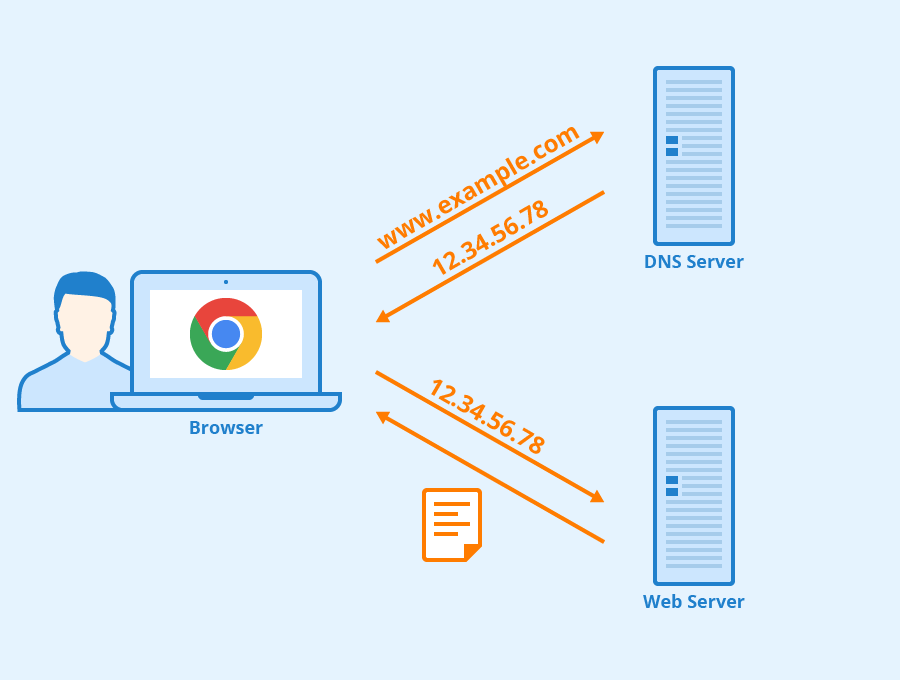
How Private Nameservers Work
- Registrar Setup: To use private nameservers, domain owners typically configure them through their domain registrar’s control panel.
- DNS Configuration: The domain owner specifies the IP addresses of their private nameservers (e.g., ns1.example.com and ns2.example.com) along with corresponding A records that point to these IP addresses.
- Authority: Once configured, the domain’s authoritative DNS records are managed and served by these private nameservers.
- Propagation: After configuration, DNS changes may take some time (typically up to 48 hours) to propagate globally, during which DNS servers worldwide update their records to recognize the new nameservers.
Advantages of Private Nameservers
- Control: Provides full control over DNS configurations and settings related to the domain.
- Branding: Allows domain owners to brand their nameservers with their own domain name (e.g., ns1.yourdomain.com), which can enhance professionalism.
- Performance: Can potentially improve DNS resolution performance for the domain’s users, depending on the nameserver infrastructure and setup.
Considerations
- Technical Knowledge: Setting up and managing private nameservers requires some technical understanding of DNS and server administration.
- Reliability: Ensuring the reliability and redundancy of private nameservers is crucial to avoid downtime for the domain.
In summary, private nameservers offer domain owners greater control and flexibility over their DNS management, enhancing both technical customization and branding possibilities.
