Advantages and Disadvantages of Cloud Hosting

Advantages and Disadvantages of Cloud Hosting – In today’s digital landscape, businesses of all sizes are increasingly turning to cloud hosting for its myriad benefits. However, like any technological solution, cloud hosting has its advantages and disadvantages. In this blog, we’ll explore both sides to help you determine if cloud hosting is the right fit for your organization.
What is Cloud Hosting?

Cloud hosting refers to a web hosting solution that utilizes a network of virtual servers hosted in the cloud. Unlike traditional hosting, which relies on a single physical server, cloud hosting distributes resources across multiple servers, enhancing reliability and performance.
Advantages of Cloud Hosting
1. Scalability
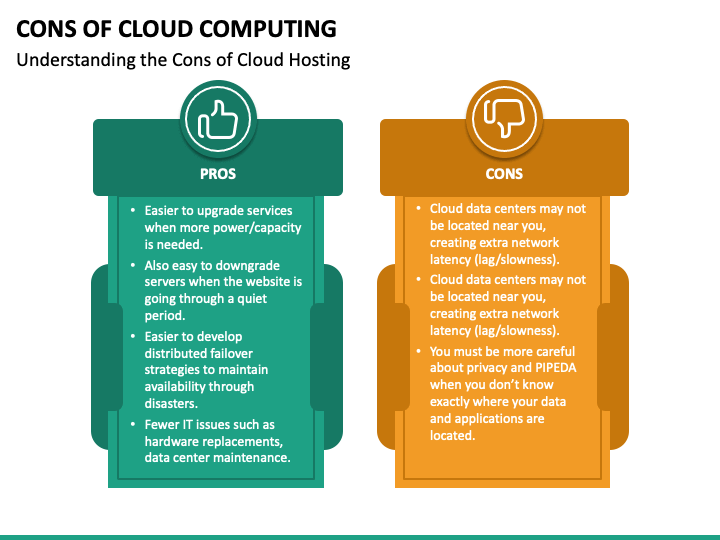
One of the most significant advantages of cloud hosting is its scalability. Businesses can easily adjust their resource allocation based on demand. Whether you experience a sudden spike in traffic or need to scale down during quieter periods, cloud hosting allows you to do so seamlessly.
2. Cost-Effectiveness
Its typically operates on a pay-as-you-go model. This means you only pay for the resources you use, eliminating the need for hefty upfront investments in hardware and infrastructure. This flexibility allows businesses to allocate budgets more effectively and adjust spending as needed.
3. Reliability
Most cloud hosting providers offer high uptime guarantees, often exceeding 99.9%. Because your data is stored across multiple servers, if one server goes down, the system can automatically redirect traffic to other operational servers, ensuring continuous availability.
4. Performance
Cloud hosting can enhance website performance thanks to its distributed nature. Load balancing ensures that traffic is evenly distributed across multiple servers, reducing latency and improving user experience. This is especially crucial for businesses that rely on their online presence.
5. Accessibility
With this, you can access your data and applications from anywhere with an internet connection. This remote accessibility supports flexible work arrangements and enhances collaboration among teams located in different geographical areas.
6. Automatic Updates and Maintenance
Most of its providers manage software updates, security patches, and hardware maintenance, freeing up your IT team to focus on core business functions. This hands-off approach can lead to improved efficiency and reduced operational headaches.
7. Data Backup and Recovery
Its often includes built-in backup and disaster recovery options. Your data is automatically backed up across multiple locations, minimizing the risk of data loss due to hardware failure, human error, or natural disasters.
8. Environmental Sustainability
Many cloud hosting providers operate energy-efficient data centers and utilize sustainable practices. By consolidating resources in the cloud, businesses can reduce their overall carbon footprint.
Disadvantages of Cloud Hosting
1. Security Concerns
Storing data in the cloud raises valid security concerns. Even though cloud providers invest heavily in security measures, businesses must remain vigilant about data vulnerabilities and potential breaches. It’s crucial to implement strong security practices and choose a provider with robust security features.
2. Downtime Risks
While cloud hosting offers high reliability, it is still dependent on your internet connection. If your internet service goes down or the cloud provider experiences an outage, you risk losing access to your data and applications.
3. Limited Control
In a cloud hosting environment, users often have less control over server settings and configurations compared to traditional hosting. This limitation can hinder customization, especially for businesses with specific technical needs.
4. Vendor Lock-In
Migrating data between different cloud providers or back on-premises can be complex and costly. Vendor lock-in can limit flexibility and make it challenging to switch providers if your business needs change.
5. Cost Over Time
While it can be cost-effective initially, costs can escalate as you scale your resources. Businesses should carefully monitor their usage to avoid unexpected expenses.
6. Compliance Issues
For organizations in regulated industries, ensuring compliance with data protection laws can be challenging in a cloud environment. Businesses must thoroughly assess their provider’s compliance capabilities.
7. Performance Variability
In shared cloud environments, performance can be affected by other users’ demands on the same infrastructure. This variability can impact your application’s performance during peak usage times.
8. Data Transfer Limitations
Transferring large volumes of data to and from the cloud can be slow and may incur additional costs. Businesses need to consider bandwidth limitations and potential impacts on operations.
Conclusion
Cloud hosting offers a range of benefits, including scalability, cost savings, and enhanced accessibility. However, it also presents challenges such as security concerns and potential vendor lock-in. Understanding these advantages and disadvantages will empower you to make informed decisions about your hosting needs. As always, it’s crucial to evaluate your specific business requirements and choose a solution that aligns with your goals.
